(920) 724-4127
Roofing Contractor in Appleton, WI · Appleton, WI

Roofing Contractor in Appleton, WI Built for Ice Dams, Hail and Hard Winters

Appleton roofs take a beating. Snow can sit up there from December into March. Late-winter thaws melt it over warm attics, and the water refreezes at the eaves. Then summer storms off Lake Winnebago bring straight-line winds and hail. Over a year, your shingles swing more than 100 °F, which loosens nails, cracks flashing sealant and wears asphalt out early. Appleton Roof Repair Pros fixes those problems at the source. We repair leaks, replace worn shingles, reseal chimney and skylight flashing, remove ice dams and install full replacement roofs when repairs no longer make sense.

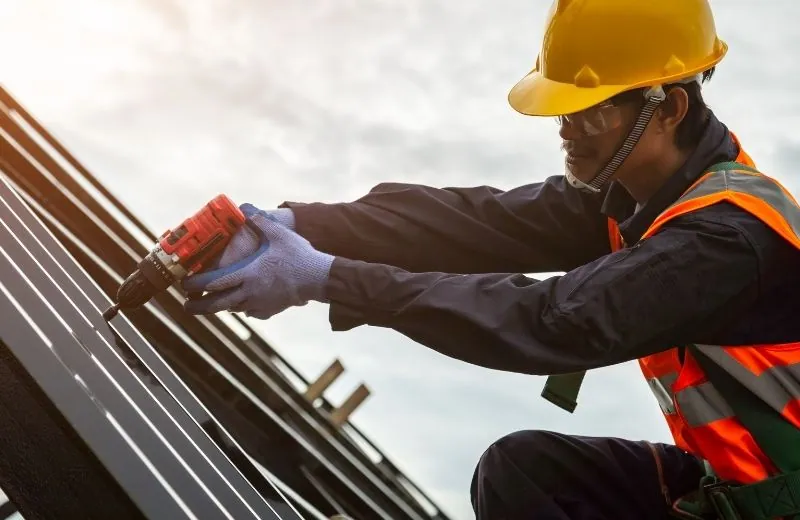
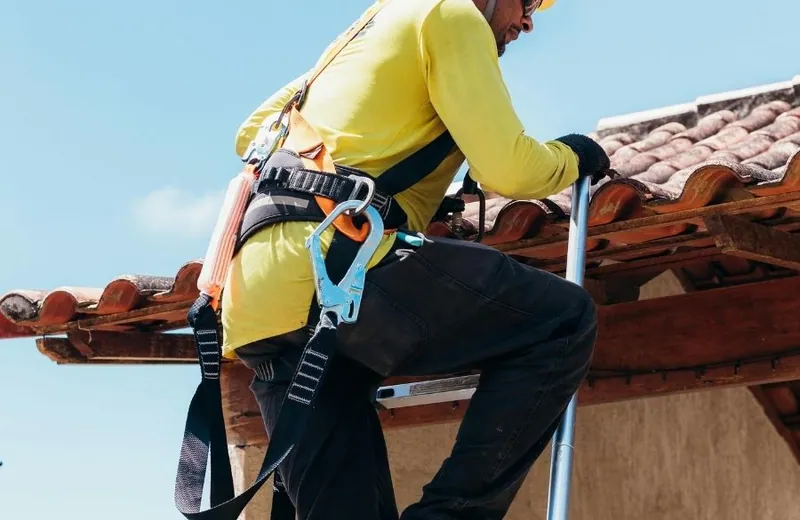
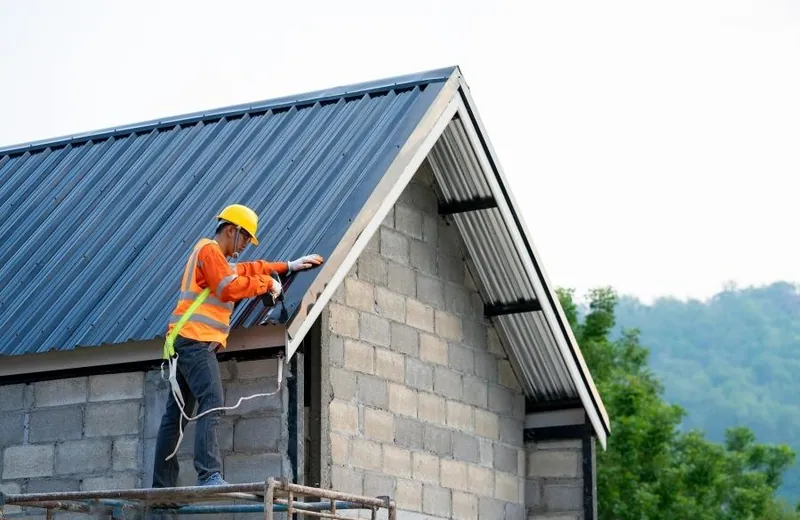
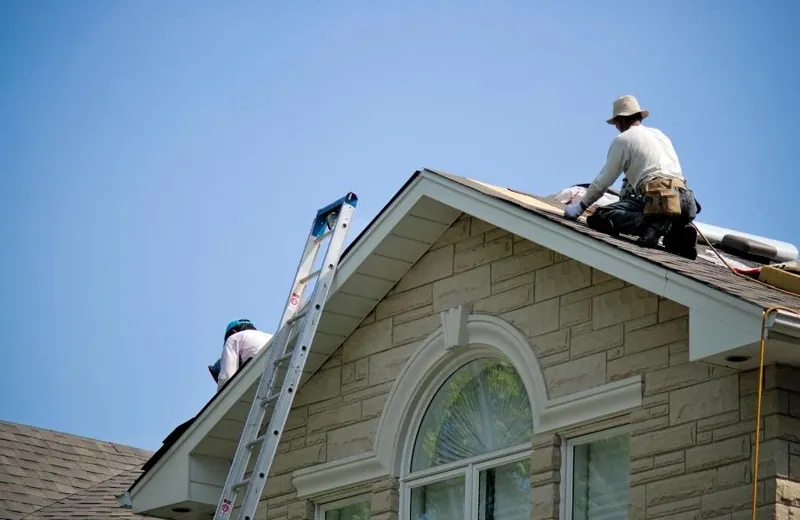
Appleton Roof Repair Pros Roofing Contractor in Appleton, WI work in Appleton, WI

Request a free estimate

No obligation. Fast, honest quotes.

🔒 Your information is never shared.

  • Bonded and fully insured
  • Attic check included with every visit
  • Photos of every problem area we find
  • Honest repair options and written estimates
  • Financing available
  • Serving homes within 20 miles of Appleton
  • Clean job site every time
Why local matters

Why Appleton Homes Need a Roofer Who Knows Fox Valley Weather

Climate zone 6A is hard on roofs. Long freezes, sudden thaws, summer hail and a short building season all hit the same shingles. On top of that, the Fox Cities have more than a century of mixed housing and a patchwork of permit offices. Here's what that means for your roof.

Snow, Freeze-Thaw Cycles and Summer Storms

January highs average in the mid-20s °F, lows fall into the single digits, and arctic outbreaks can push past -20 °F. By July, highs reach about 80 °F, and a dark shingle in direct sun runs much hotter than the air. All that expansion and contraction backs nails out and splits sealant. The area gets about 40 to 50 inches of snow a year, and snowpack can sit on a roof for three months. It drifts into valleys, behind dormers and onto lower roofs next to taller walls. When a late-winter thaw melts that snow over a heated attic, the water refreezes at the cold eave and backs up under the shingles. Ice dams are the most common winter leak in the region. Summer adds thunderstorms, straight-line winds, the occasional derecho and hail, which crease shingles, strip granules and dent metal.

A Century of Mixed Housing

Downtown Appleton, the Lawrence University area and the river homes in Neenah and Menasha still have Queen Anne and Italianate roofs. They have turrets, built-in box gutters and plank decking, and some still have slate underneath. The 1910s–1940s bungalows and foursquares in Kimberly, Little Chute and Kaukauna have steep pitches, very little attic ventilation and thin insulation. Post-war Cape Cods are the most ice-dam-prone homes we see because the living space sits right under the roof slope. Many 1970s–80s split-levels already have two layers of shingles. In Grand Chute, Greenville, Harrison and Sherwood, builder-grade roofs from the 1990s and early 2000s are reaching the end of their life all at once.

Code, Permits and Insurance Rules

Wisconsin's Uniform Dwelling Code requires an ice barrier membrane from the eave to a point inside the exterior wall line. It generally allows no more than two layers of roofing, so a tear-off is required once you already have two layers or the deck is damaged. Appleton, Grand Chute, Fox Crossing, Neenah, Menasha and the surrounding villages all run their own inspection offices, and their fees and inspections vary. Designated historic properties in Appleton, Neenah and Menasha may need design review before you change roofing materials. State law (ATCP 110) requires written contracts. It also bars contractors from paying or waiving your insurance deductible, which is worth knowing when out-of-state storm chasers show up after hail.

A Value-Conscious, Referral-Driven Market

The Fox Cities have more than 250,000 people across Outagamie, Winnebago and Calumet counties, and most of them own their homes. People here are practical. They ask neighbors and their church for referrals, compare written bids side by side and want a roofer who'll still pick up the phone in five years. Many are retirees putting on what may be their last roof. Others are busy two-income families in newer subdivisions who just want a fast, clean job. Either way, clear estimates and straight answers count for more than a sales pitch.

Services

Roofing Services for Appleton Homes and Businesses

Whether it's one cracked boot or a full tear-off, we start the same way. We find the cause, show you photos and give you honest options in writing. These are our main service groups, each covering the specific work Fox Cities roofs need most.

Appleton Roof Repair Pros Roofing Contractor in Appleton, WI project in Appleton, WI (2)
Featured

Ice Dam Removal & Winter Leak Repair

Professional ice dam removal, gutter ice removal, roof snow and ice removal, ice dam leak repair, emergency tarping and repair of water damage from ice dams, followed by a permanent fix.

How we do it
We use low-pressure steam that cuts ice without damaging the shingles. We never use hammers or salt pucks. Then we look in the attic to find the heat loss, missing ice barrier or ventilation problem behind it.
In Appleton
This is built around Appleton's late-winter thaw-and-freeze cycles. We handle Cape Cods, bungalows and complex Victorian roofs where dams form in valleys and behind dormers. We can also install heat cable or tape where the roof's shape makes ice hard to prevent.
Best for
Homeowners with active winter leaks, ceiling stains, thick icicles or heavy drifts, and anyone who's tired of dealing with ice dams every year.
Get a quote →
Appleton Roof Repair Pros Roofing Contractor in Appleton, WI project in Appleton, WI (3)

Roof Repair, Leak Detection & Patching

Roof leak detection and repair, roof shingle repair, roof patching, roof damage repair and winter leak repair on asphalt, metal and flat roofs.

How we do it
We trace water from the stain back to where it's getting in, looking from both the attic and the roof. Then we replace matching shingles, seal the deck and reset any lifted or creased tabs.
In Appleton
Repairs are a good fit when the roof still has life left. That's common on 2000s-era roofs in Fox Crossing and Little Chute where a few shingles blew off or one valley failed.
Best for
Roofs with one or a few leaks, wind-lifted shingles or small storm damage that don't need full replacement yet.
Get a quote →
Appleton Roof Repair Pros Roofing Contractor in Appleton, WI project in Appleton, WI (4)

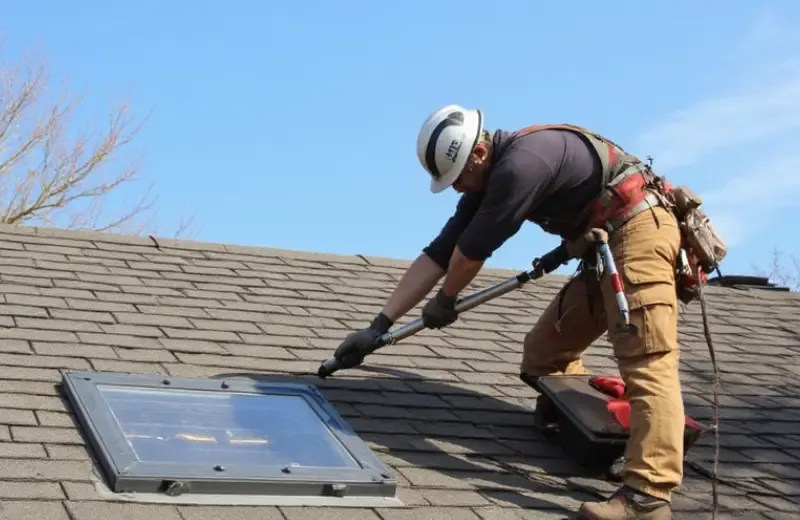
Chimney, Skylight & Roof Flashing

Chimney flashing repair, chimney leak repair, skylight leak repair, drip edge, step and counterflashing, plus flashing for steel and metal roofs.

How we do it
We tear out the old flashing, install new step flashing and counterflashing cut into the mortar joints, use the proper skylight kits and tie it all into the ice and water shield.
In Appleton
These are critical on older brick chimneys near Lawrence University and on Doty Island. They also matter on two-stories in Harrison, where snow drifts against the walls and holds meltwater there.
Best for
Leaks next to chimneys, skylights, walls or valleys, and flashing that's been caulked more than once.
Get a quote →
Appleton Roof Repair Pros Roofing Contractor in Appleton, WI project in Appleton, WI (5)
Featured

Roof Replacement & Asphalt Shingle Installation

Full roof replacement and new roof installation, including architectural shingles, 3-tab shingle roofing, soffit and fascia, ridge and soffit ventilation, and drip edge.

How we do it
We tear off to the deck, replace rotted planks or sheathing and install ice and water shield from the eave to inside the wall line. Shingles are fastened to the manufacturer's instructions, and we balance the ventilation.
In Appleton
Designed for Wisconsin code and climate. That includes the aging 1990s roofs in Grand Chute, Greenville and Sherwood, HOA color requirements, and multi-layer tear-offs on 1970s split-levels. We also handle winter roof replacement, with cold-weather installation steps to help the shingles seal.
Best for
Roofs over 20 years old, roofs with two layers already, widespread granule loss or repeated leaks.
Get a quote →
Appleton Roof Repair Pros Roofing Contractor in Appleton, WI project in Appleton, WI (6)

Metal Roofing (Standing Seam, Steel & Corrugated)

Residential metal roofing, standing seam installation, steel and corrugated panels, metal roof repair and metal roof flashing for homes, garages and outbuildings.

How we do it
We use concealed-fastener standing seam or exposed-fastener ribbed panels with the right underlayment, snow guards and trim. On repairs, we replace worn fastener washers and dented panels.
In Appleton
Popular on rural homes, pole barns and agricultural buildings in Freedom, Black Creek, Stockbridge, Wrightstown and Larsen. Snow slides off metal easily, which helps reduce ice dams.
Best for
Owners who want a long-life roof, rural properties, outbuildings and homes with chronic snow and ice problems.
Get a quote →
Appleton Roof Repair Pros Roofing Contractor in Appleton, WI project in Appleton, WI (7)

Flat Roofing & Commercial Roofing (TPO, EPDM)

Flat roof repair and replacement, TPO roofing, EPDM rubber roofing, commercial roof repair, roof coatings and waterproofing for low-slope roofs.

How we do it
We do membrane seam repairs, tapered insulation for drainage and fully adhered or mechanically attached systems. We also apply restoration coatings that extend the life of sound membranes.
In Appleton
For low-slope additions, multifamily buildings and small commercial properties along the Fox River Mall corridor and in downtown Appleton, where ponding and snow load are ongoing concerns.
Best for
Business owners, landlords and homeowners with porches, garages or additions that have a flat or low-slope roof.
Get a quote →
Appleton Roof Repair Pros Roofing Contractor in Appleton, WI project in Appleton, WI (8)

Specialty Roofing: Slate, Cedar Shake, Tile & Copper

Slate roof installation, cedar shake roofing, tile roofing and copper roofing and accents, including bay windows, turrets and box gutter work.

How we do it
We match materials and profiles to the original, use copper or stainless flashing where it's appropriate and repair plank decking before installing.
In Appleton
These suit historic homes in the City Park Historic District, along Neenah's East Forest Avenue and in downtown Menasha, where design review may apply.
Best for
Historic and high-end homes where looks, authenticity and a long service life matter most.
Get a quote →
Appleton Roof Repair Pros Roofing Contractor in Appleton, WI project in Appleton, WI (9)

Inspections, Maintenance & Gutter Protection

Roof inspections, roof maintenance, roof restoration, gutter guard installation and roof heat cable installation.

How we do it
Every inspection includes an attic check and photos. Maintenance covers sealant touch-ups, fastener checks and clearing debris before winter.
In Appleton
Fall check-ups before snow sets in, and spring checks after the thaw and early storms. These matter most under the heavy tree canopy of older Appleton neighborhoods.
Best for
Home buyers and sellers, owners of aging roofs and anyone who wants to catch small problems before winter.
Get a quote →
Common problems

Common Roof Problems in Appleton and the Fox Cities

Most roof leaks we see around Appleton come from a few causes that keep repeating. Some can wait for the next dry week. Others need attention tonight. Here's how to spot each one, why it shows up so often here and what fixing it usually involves.

Emergency

Ice Dams and Winter Ceiling Leaks

An ice dam is a ridge of ice that forms at the eave when snow melts over a warm attic and refreezes at the cold overhang. Meltwater then pools behind the ice and works its way up under the shingles, through the deck and into walls and ceilings.

Why it happens here: Appleton has the perfect setup for ice dams. Snowpack stays on roofs for months, and late-winter thaws come between hard freezes. Many older homes also have thin insulation and little ventilation. Cape Cods and 1920s bungalows are the worst offenders because heat escapes straight into the roof slope. Clogged gutters under mature maples and oaks give the ice a foundation to build on. Bath fans vented into the attic add even more warm, moist air. Roofs installed before ice barrier requirements often have no membrane at the eaves at all.

Signs to look for

  • Thick ice ridges along the eaves or in the gutters
  • Large icicles, especially over living spaces
  • Brown stains on ceilings near exterior walls
  • Wet or peeling paint on interior walls below the eave
  • Water dripping from soffits or window trim
  • Frost or wet insulation in the attic

Local patterns: We see these leaks most on Cape Cods and 1940s–60s ranches around Erb Park, on bungalows in Kimberly and Little Chute and on Victorian roofs with many valleys near City Park. Calls peak in late January through early March, when thaw follows hard freeze.

How we fix it

First we steam the ice off and tarp if needed to stop active water. Next season we add ice and water shield, seal attic air leaks, fix insulation and balance ventilation so the dams stop forming.

Serious

Hail and Wind Storm Damage

Hail knocks granules off shingles and bruises the mat underneath, and it dents metal roofing and flashing. Strong straight-line winds break the sealant bond, lifting or creasing shingle tabs or tearing them off completely.

Why it happens here: Spring and summer thunderstorms cross east-central Wisconsin regularly, sometimes as derecho-type wind events. Lake Winnebago and Green Bay can make local wind worse. Roofs that have been through years of freeze-thaw already have weak sealant strips, so they lift more easily. The damage often isn't visible from the ground, so homeowners don't know whether to file a claim. Out-of-state storm chasers move in fast after a big hail day.

Signs to look for

  • Shingles or tabs in the yard after a storm
  • Creased or lifted shingle edges
  • Granules collecting in gutters or at downspouts
  • Dents in gutters, vents, siding or metal roofing
  • Dark spots or soft bruises on shingles
  • New leaks after a storm

Local patterns: Hail and wind claims tend to cluster by neighborhood, often hitting whole subdivisions in Grand Chute, Greenville, Harrison and Fox Crossing at once. Exposed roofs on open rural lots near Freedom and Black Creek take extra wind.

How we fix it

We do a documented inspection with photos, secure any openings right away and repair or replace the damaged section. If you file a claim, we follow Wisconsin's disclosure rules for insurance-contingent roofing contracts.

Serious

Failing Chimney, Skylight and Wall Flashing

Flashing is the metal at chimneys, skylights, walls and valleys that directs water away from joints in the roof. Once its sealant cracks or the metal pulls loose, water gets into the framing behind it, often long before you see a stain.

Why it happens here: Temperature swings of more than 100 °F a year pull flashing back and forth until the caulk splits. Older brick chimneys in Appleton and Menasha often have only face-sealed flashing and no proper counterflashing cut into the mortar joints. Snow piled against chimneys and walls holds meltwater against those joints for weeks. Skylights added in the 1980s and 1990s often have curb flashing that has reached the end of its life.

Signs to look for

  • Stains on ceilings next to the chimney or skylight
  • Cracked or missing caulk at flashing edges
  • Rusted or lifted step flashing
  • Loose mortar or spalled brick above the roof line
  • Drips on the inside of the skylight frame
  • Damp attic framing around the chimney

Local patterns: This is common on century homes near Lawrence University, on Doty Island in Menasha and along East Forest Avenue in Neenah. It also shows up on 1990s two-stories in Harrison and Sherwood that have walls meeting lower roofs.

How we fix it

We remove the failed flashing and install new step flashing and counterflashing or a skylight flashing kit, tying it properly into the underlayment and shingles. We don't rely on more caulk.

Moderate

Poor Attic Ventilation and Moisture

An attic without enough intake air at the soffits and exhaust at the ridge traps heat in summer and moisture in winter. That causes frost buildup, mold, rotted decking and shingles that wear out early.

Why it happens here: Humid Fox Valley summers and long, cold winters make attic moisture worse. Many homes built before 1950 were designed with almost no ventilation. Later remodels often blocked the soffit vents with insulation. Bath and kitchen fans that vent into the attic are a common mistake we find. Poor ventilation can also void shingle manufacturer warranties, and most homeowners don't know it's the root cause.

Signs to look for

  • Frost on roof nails or sheathing in winter
  • Black staining or mold on attic decking
  • Wavy or sagging roof deck
  • Shingles curling early on south and west slopes
  • Bath fan ducts ending in the attic
  • Unusually hot upstairs rooms in summer

Local patterns: We find this all the time in Appleton's older neighborhoods, in Kaukauna and Kimberly bungalows, and in 1990s subdivision homes where builders skimped on ridge and soffit venting.

How we fix it

We balance intake and exhaust with soffit, ridge or box vents, add baffles, reroute bath fans outside and point out air-sealing needs so the roof lasts its full rated life.

Moderate

Worn-Out 1990s–2000s Subdivision Roofs

These are builder-grade 3-tab and entry-level architectural shingles from the subdivision boom that are now losing granules, curling and cracking. Leaks start showing up in several spots, and patches stop holding.

Why it happens here: Fox Cities suburbs grew fast in the 1990s and 2000s, and many homes went up with the cheapest shingle available. After 20 to 30 Wisconsin winters and summers, those roofs are aging out all at the same time. Cut-up rooflines with lots of valleys put extra strain on the weakest points.

Signs to look for

  • Curling or cupped shingle edges
  • Bare spots and heavy granule loss
  • Cracked or brittle tabs
  • Leaks showing up in valleys
  • Neighbors replacing roofs on your street
  • Repairs needed every year

Local patterns: Whole streets in Grand Chute, Greenville, Harrison, Sherwood, Kimberly and Little Chute are hitting this point together. HOA color rules often apply when you replace.

How we fix it

We do a full tear-off and replacement with architectural shingles, ice and water shield at the eaves and valleys, and corrected ventilation, using HOA-approved colors when required.

Emergency

Snow Load on Low-Slope and Lower Roofs

Heavy or drifted snow can build up on flat and low-pitch sections such as porches, garages and additions, sometimes beyond what the framing can safely carry.

Why it happens here: Wind blows snow off upper roofs and drifts it onto lower ones next to taller walls. Wet March snow weighs far more than January powder. Mid-century additions and older porches weren't always framed for modern load expectations.

Signs to look for

  • Drifts several feet deep against walls
  • Interior doors sticking or drywall cracking
  • Sagging rooflines or gutters
  • Creaking or popping sounds
  • Ponding or leaks on flat sections

Local patterns: This is most common on attached garages in newer subdivisions, porch roofs on older Appleton homes and low-slope commercial and agricultural buildings around Wrightstown and Stockbridge.

How we fix it

We remove snow safely by hand, leaving a protective layer so we don't damage the shingles, check for structural or membrane damage and recommend repairs or drainage fixes.

Minor

Clogged and Overloaded Gutters

Gutters full of leaves, seeds and ice can't drain. Water then spills over the fascia, rots the wood and gives ice dams a base to grow on.

Why it happens here: Mature maples and oaks in Appleton's older neighborhoods drop seeds in spring and leaves in fall. Undersized gutters can't keep up with summer downpours, and the debris freezes solid in winter.

Signs to look for

  • Water spilling over gutter edges
  • Sagging gutters or pulled spikes
  • Plants growing in gutters
  • Rotted fascia or stained siding
  • Ice packed in gutters all winter

Local patterns: This shows up constantly in tree-lined streets near City Park, The Flats and Erb Park, and in older parts of Neenah and Menasha.

How we fix it

We clear the gutters, repair the fascia, install gutter guards and add heat cable where ice keeps coming back.
Appleton Roof Repair Pros Roofing Contractor in Appleton, WI project in Appleton, WI (3)
How it works

How a Roofing Project Works With Us

Here's what happens from your first call to cleanup. There's no pressure, and you'll get clear photos and a written estimate before any work begins.

  1. Call or Request an Inspection

    Same day for active leaks; usually within days otherwise
    • Tell us what you're seeing: stains, ice, missing shingles or storm damage
    • We triage emergencies like active leaks, ice dams and openings from storm damage
    • We schedule a visit that works around your schedule

    Local note: Summer and fall book up fast in the Fox Cities, so call early if you want work done before snow.

  2. Roof and Attic Inspection With Photos

    About 45–90 minutes on site
    • We check the roof surface, flashing, valleys, gutters and vents
    • We inspect the attic for ventilation, insulation, frost, mold and bath fan routing
    • We photograph every problem area
    • We count the existing shingle layers and test the decking

    Local note: In winter, we may inspect mostly from the attic and the eaves until the snow clears.

  3. Honest Options and a Written Estimate

    Typically within a few days of the inspection
    • We review the photos with you
    • We lay out repair and replacement options with pros and cons
    • We give you a written estimate with clear scope and pricing
    • We explain financing if you'd like it

    Local note: Written contracts follow Wisconsin ATCP 110. On insurance jobs, we explain your disclosure and cancellation rights.

  4. Permits, Scheduling and Materials

    About 1–3 weeks, depending on season and municipality
    • We confirm the permit requirements with your city, village or town
    • We check HOA or historic review needs
    • We order materials and confirm colors
    • We set an install date around the weather

    Local note: Rules differ in Appleton, Grand Chute, Fox Crossing, Neenah and the other Fox Cities communities, and we sort out which ones apply to you.

  5. Installation, Cleanup and Final Walkthrough

    Most repairs take a few hours; most replacements take 1–3 days
    • We protect your landscaping, siding and driveway
    • We complete the work to code and manufacturer specs
    • We sweep with magnets for nails and haul away the debris
    • We walk through the finished job with you and share photos of the completed work

    Local note: Cold-weather installs get extra steps to help the shingles seal. Tear-off debris goes through the county disposal systems.

About us

A Local Roofer Fox Cities Homeowners Can Count On

We've worked on Victorian roofs near Lawrence University and in the City Park Historic District, on Cape Cods in older Appleton neighborhoods, and on 1990s subdivision roofs in Grand Chute, Harrison and Kimberly that are now wearing out. We see a lot of the same causes, and poor attic ventilation is behind many of the ice dams we find. That's why every visit includes an attic check and photos of the problem areas. You'll get honest repair options and a written estimate, and we clean up before we leave.

Most of our customers find us through a neighbor's recommendation, which is how roofers earn work in the Fox Cities. People tell us they appreciate seeing photos of their roof, getting a straight answer on whether to repair or replace, and finding their yard cleaner than before we arrived.

  • Bonded
  • Insured
  • Financing available
  • Bonded & Insured
  • Financing Available
Why choose us

Why Fox Cities Homeowners Choose Appleton Roof Repair Pros

  • We Know Fox Valley Roofs

    Appleton roofs fail in their own ways. Ice dams form on Cape Cods, flashing gives out on century-old chimneys near City Park, and builder-grade shingles in Grand Chute subdivisions are wearing out at the same time. We plan every repair and replacement around climate zone 6A. That means ice barrier past the wall line, properly balanced ventilation and flashing details that hold up to snow sitting against them for weeks. We aren't a crew that rolls through after a storm. We're local, and we'll still be here when you need service down the road.

  • Every Visit Includes an Attic Check and Photos

    Lots of roof leaks actually start in the attic. Warm air leaking up, bath fans venting into the attic or blocked soffits cause the ice dams and frost that destroy decking. That's why we check the attic on every visit, even for a small repair. You'll also get photos of every problem area, so you can see what we saw without climbing a ladder. It helps you make a decision with confidence, and it's useful documentation for insurance claims or for selling your home.

  • Bonded and Insured

    Roofing is dangerous work, and if a contractor doesn't carry the right coverage, you can end up paying for an accident on your property. Appleton Roof Repair Pros is bonded and insured. Just ask, and we'll provide proof before work starts. Wisconsin municipalities require insurance documentation for permits, and you should expect the same from any contractor you're comparing. It's especially worth checking after a hailstorm, when unfamiliar trucks start showing up in your neighborhood.

  • Honest Options, Not Upsells

    If a $500 repair will give you several more good years, we'll tell you. If your roof already has two layers, rotted plank decking or curling across every slope, we'll explain why repairs no longer make sense. You'll get repair and replacement options laid out clearly, with the tradeoffs explained. Fox Cities homeowners are practical and compare bids carefully, and we respect that. Our job is to give you the facts, not to push the most expensive option.

  • Clear Written Estimates and Financing

    Every job starts with a written estimate that spells out the scope, materials and price, in line with Wisconsin's home improvement rules. We'll also explain how we handle common surprises on older homes, like hidden deck rot, so there's no confusion if we find it. Financing is available if you'd rather spread out the cost of a replacement, which helps a lot when an ice dam or storm forces the issue sooner than you'd planned.

  • Emergency Help When Winter Hits

    Ice dams don't wait for good roofing weather. When water is coming through your ceiling in February, we can steam off the ice dams, tarp your roof and stop the damage from getting worse. Then we schedule the permanent fix for the right time of year. After summer storms, we secure exposed areas quickly and document the damage so you can decide whether a claim makes sense, without pressure and without anyone offering to cover your deductible, which is illegal in Wisconsin.

  • Clean Job Sites, Every Time

    Busy families and retirees alike tell us cleanup matters. We protect landscaping and siding, run magnetic sweepers for loose nails and haul away all the debris. Whether it's a quick flashing repair in Kimberly or a full tear-off in Harrison, we leave your property the way we found it, minus the leak.

18Fox Cities Communities Served
20-MileService Radius From Appleton
3Counties Covered
Every VisitIncludes an Attic Check and Photos
Service areas

Roofing Service Areas Across the Fox Cities

We're based in Appleton and serve homes and businesses within about 20 miles in Outagamie, Winnebago and Calumet counties. That covers historic river towns, busy subdivisions and farm country to the north and east.

Appleton & the Core Fox Cities

  • AppletonVictorian homes near College Avenue and City Park, Cape Cods near Erb Park, older homes in The Flats
  • Grand ChuteFox River Mall corridor commercial roofs and 1990s–2000s subdivisions
  • Fox CrossingMix of mid-century ranches and newer two-story homes
  • NeenahEast Forest Avenue historic homes and lakefront properties
  • MenashaDoty Island and historic downtown roofs with complex flashing

Heart of the Valley & East Side

  • KimberlyOlder bungalows plus fast-growing newer neighborhoods
  • Little ChuteEstablished neighborhoods with steep 1920s–40s roofs
  • Combined LocksMostly homes from the 1950s to 1990s along the river
  • KaukaunaHistoric mill-town homes with aging chimneys
  • HarrisonNewer subdivisions with HOA shingle guidelines
  • SherwoodHomes near High Cliff State Park that get wind off Lake Winnebago

West & Rural Communities

  • GreenvilleLarge modern subdivisions with complex rooflines
  • HortonvilleVillage homes and newer developments
  • FreedomRural homes and agricultural metal roofing
  • Black CreekFarms and outbuildings with steel and corrugated roofs
  • Larsen & WrightstownRural properties and pole buildings
  • StockbridgeLakeshore homes and farm buildings along Lake Winnebago's east shore
Pricing

How Much Does a Roof Cost in Appleton, WI?

Roof prices in the Fox Cities depend on your home's age, roof shape, materials and how much hidden damage is under the shingles. The ranges below are typical local ballparks. Your written estimate after an inspection is what counts.

Leak or flashing repair

$350 – $1,500

Replacing wind-lifted shingles or resealing chimney or skylight flashing on a typical Appleton home

Ice dam steaming and emergency tarp

$500 – $1,800

Winter visit to clear the eaves and valleys and stop an active leak, with a permanent fix scheduled for later

Asphalt shingle replacement

$11,000 – $22,000

About 2,000–2,800 sq ft of roof on a ranch or two-story in Grand Chute, Harrison or Kimberly; tear-off, ice barrier, architectural shingles, ventilation

Standing seam metal or historic home re-roof

$25,000 – $55,000+

Standing seam metal on a mid-size home, or a complex Victorian tear-off with decking and chimney flashing

Primary Factor

Roof Size and Complexity

Roofing is priced by the square, which is 100 square feet. A simple gable ranch goes much faster than a 1990s two-story in Greenville with six valleys and several dormers. A Queen Anne near City Park with turrets is slower still. Steep pitches need extra safety gear and labor. Every valley, wall joint and penetration adds flashing work, and in this climate those details are where most leaks start.

Primary Factor

Tear-Off Layers and Decking Condition

Wisconsin code generally limits roofs to two layers, so many 1970s–80s homes need a full tear-off. Removing extra layers adds labor and disposal fees. Older homes often have plank decking or early OSB that has rotted from years of attic moisture. Replacing damaged sheathing is priced per sheet, and you often can't see how much is needed until the old roof comes off. We explain how we handle this in your written estimate.

Primary Factor

Material Choice

Architectural asphalt shingles are the most common and cost-effective choice for Fox Cities homes. Standing seam metal costs about two to three times as much as shingles but lasts much longer and sheds snow well. TPO and EPDM fit low-slope sections. Slate, cedar shake, tile and copper are premium materials, usually chosen for historic homes or upscale properties.

Secondary Factor

Ventilation, Ice Barrier and Code Upgrades

A roof that's built to last here includes ice and water shield from the eave to inside the wall line, in the valleys and around penetrations. It also needs balanced ridge and soffit ventilation. Older homes may need new soffit vents, baffles or bath fans rerouted outside. These upgrades add a modest cost, but they prevent ice dams and help keep manufacturer warranties valid.

Secondary Factor

Season, Access and Permits

Emergency winter work like steaming ice dams and tarping costs more per hour than scheduled work. Tight lots in older Appleton and Menasha neighborhoods, long rural drives to Black Creek or Stockbridge, and municipal permit fees all affect the final price. Permit fees vary by city, village and town.

Financing is available, so an unexpected ice dam or storm loss doesn't have to drain your savings. Ask about options when we go over your estimate.

A properly vented, code-compliant roof prevents the ceiling, insulation and drywall damage ice dams cause. It protects resale value in competitive Fox Cities neighborhoods, and it can last decades instead of wearing out early.

FAQ

Appleton Roofing FAQs

How much does a new roof cost in Appleton?

Most asphalt shingle replacements on typical Fox Cities homes fall between about $11,000 and $22,000. The final price depends on roof size, pitch, number of valleys, how many layers we're tearing off and how much decking needs replacing. Older homes near downtown Appleton or in Neenah and Menasha often cost more because of complex rooflines and hidden plank-deck rot. Standing seam metal and specialty materials run higher. You'll get a written estimate after an inspection that includes an attic check and photos, so you know exactly what you're paying for. Financing is available if you need it.

How long does a roof replacement take?

Most residential tear-offs and replacements take one to three days on site. A simple ranch can often be done in a day, while a two-story with lots of valleys or a Victorian with turrets takes longer. The bigger wait is usually scheduling. The Fox Valley roofing season runs roughly April to November, and good crews book weeks out in summer and fall. Permit processing in your municipality can add a few days. If you want your roof done before snow, reach out by late summer if you can.

Do I need a permit to replace my roof in Appleton or the Fox Cities?

Usually, yes. Appleton and most Fox Cities municipalities require a permit for residential reroofing under Wisconsin's Uniform Dwelling Code. That includes Grand Chute, Fox Crossing, Neenah, Menasha, Kaukauna and others. Fees and inspection rules vary between cities, villages and towns. We confirm the requirements for your specific address. If your home is a designated historic property in Appleton, Neenah or Menasha, changes to roofing material, color or profile may also need review. Many newer subdivisions have HOA shingle rules too, and we'll check those before ordering materials.

How do I prevent ice dams on my roof?

You prevent ice dams by keeping the roof deck cold and protecting the eaves. That means sealing attic air leaks, getting insulation to the right level, making sure soffit vents aren't blocked and balancing intake with ridge or roof exhaust. Bath fans should vent outside, not into the attic. During a reroof, ice and water shield should run from the eave to inside the exterior wall line. Keeping gutters clear helps, and gutter guards or heat cable can help on problem spots. Cape Cods and older bungalows usually need the most attention.

I have water coming through my ceiling in winter. What should I do?

Act right away. Move belongings, put a bucket under the drip and poke a small hole in any bulging drywall so the water drains instead of spreading. Don't climb onto an icy roof or chip at ice with tools. You can damage shingles or get hurt. Call us for emergency service. We'll steam off the ice dam, tarp the roof if needed and check the attic for wet insulation. Then we'll plan a permanent fix for better weather, such as an ice barrier, air sealing and ventilation.

Should I repair or replace my roof?

Repairs make sense when the roof is under about 15–20 years old and the damage is limited to one area, like a few blown-off shingles or one bad flashing joint. Replacement makes more sense when you see widespread curling or granule loss, repeated leaks in different spots or soft decking, or when the roof already has two layers. Many 1990s–2000s subdivision roofs in Grand Chute, Greenville and Harrison have reached that point. We'll show you photos and give you both options honestly.

How do I handle a hail or wind damage insurance claim?

Start with a documented inspection before you call an adjuster, so you know whether the damage is real and significant. We photograph the hits, lifted shingles and dented metal, and we can be there when the adjuster inspects. Be careful after big storms. Wisconsin law bars contractors from offering to pay or waive your deductible, and roofing contracts that depend on a claim must include specific disclosures and cancellation rights. A local contractor who'll still be around for warranty issues matters more than whoever knocks on your door first.

Can you replace a roof in the winter?

Yes, in many cases. Winter roof replacement is possible on days when it's dry and not too cold, but it takes extra care. Shingle sealant strips need warmth to bond, so we use cold-weather practices like hand-sealing tabs where appropriate and following the manufacturer's installation instructions. If a full replacement isn't practical in January, we'll tarp and make temporary repairs to protect your home and schedule the full job for spring. We'll explain what makes sense for your situation.

Find us

Serving Appleton, WI & nearby

808 WI-96, Appleton, WI, 54914

(920) 724-4127

Mon-Sun: 7:00 AM - 7:00 PM

Get driving directions
Get in touch

Schedule Your Appleton Roof Inspection Today

Whether it's an ice dam, a hail-bruised roof or shingles that have reached the end of their life, let's find the cause and fix it properly. Call or request an inspection, and we'll get started.

  • A full roof inspection with an attic check on every visit
  • Photos of every problem area we find
  • Honest repair and replacement options
  • A clear written estimate before any work begins
  • Bonded, insured crews
  • Financing available on larger projects
  • A clean property when we leave

We serve Appleton and communities within about 20 miles, including Grand Chute, Kimberly, Fox Crossing, Menasha, Neenah, Harrison, Little Chute, Combined Locks, Kaukauna, Greenville, Sherwood and nearby rural towns.

Active leak or ice dam? Call now. We provide emergency steaming, tarping and leak control to stop the damage until a permanent repair can be made.

Call (920) 724-4127

Request your free estimate

No obligation. Fast, honest quotes.

🔒 Your information is never shared.

CallFree estimate